The Essentials of Essential Oils
Table of Contents
Introduction to Essential Oils
Perfume? Medicine? Cooking? The aromatic, therapeutic, and culinary benefits of essential oils have been used for millennia across ancient civilisations. As these practices evolved over time, they have influenced the contemporary applications in aromatherapy and medicine
Let’s take a look at the essentials of essential oils…
What are Essential Oils?
Before we get started, it is important to understand what essential oils are, how they are made, and how they work.
Defining Essential Oils
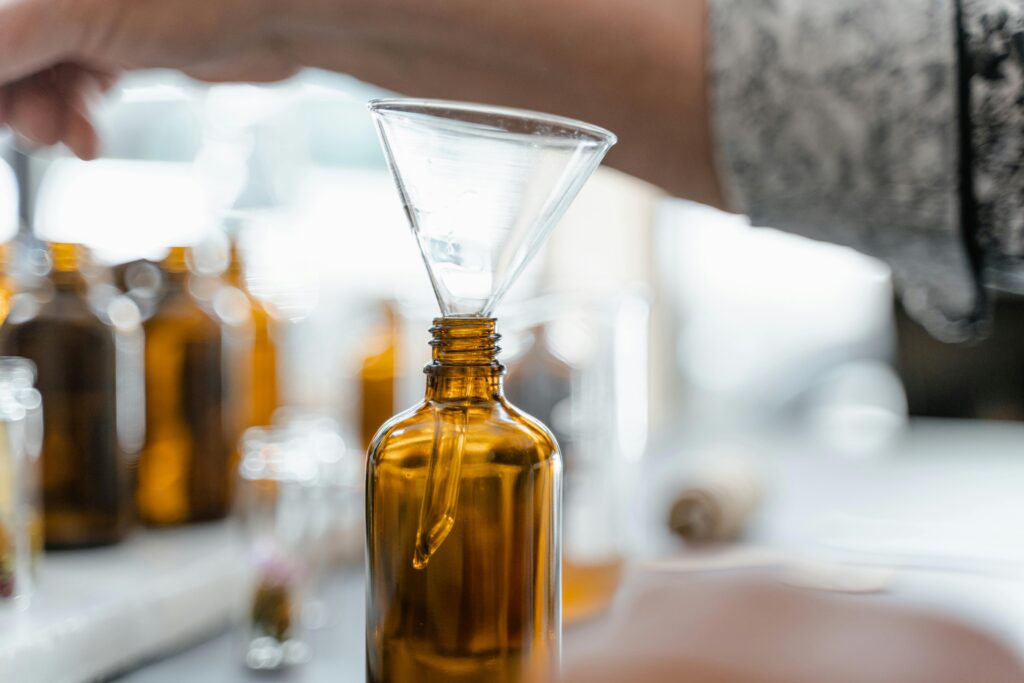
Essential oils are potent, fragrant oils derived from plants through methods like steam distillation or cold pressing, with each oil type sourced from distinct plant materials. In other words, these oils are carefully extracted from leaves, flowers, fruit peels, or even tree bark and sticks to capture their natural essence.
Extraction Methods
The two most commonly used methods for extracting essential oils are either cold pressing or steam distillation. Below we’ll have a quick look at each method before delving deeper into how these oils work.
Cold Pressing
Cold pressing is like squeezing juice from an orange, but for essential oils! This method is often used for citrus fruits like lemons or oranges. The peels are pressed or crushed to release their oils without using heat, keeping the fragrance fresh and vibrant. The oil is then separated from any liquid or pulp, giving us a bright, zesty essential oil.
Steam Distillation
This method is like giving plants a warm steam bath! Plant parts—such as leaves, flowers, or roots—are placed in a chamber where steam passes through them. The heat from the steam makes the plant release its aromatic oils. These oils turn into vapour, rise with the steam, and then cool down in a separate container, turning back into a liquid. The result? Pure essential oil, ready to capture the plant’s scent and benefits.
How Essential Oils Work
As mentioned earlier, essential oils carry many benefits. The specific benefits vary depending on the oil itself as well as the method through which it is administered. Normally, essential oils are inhaled, diffused, or applied topically.
Inhalation
Breathing in essential oils is one of the most popular methods. When you inhale the aroma—through a diffuser, nasal inhaler, or simply sniffing the oil—the scent molecules travel to your nose and connect with your brain’s olfactory system. This area influences emotions and memory, so oils like lavender can calm you or peppermint can boost your energy. Inhalation is quick, gentle, and perfect for daily use.
Diffusion
Using a diffuser spreads essential oil particles into the air as a fine mist. This method fills a room with the oil’s aroma, allowing you to inhale it over time. It’s great for creating a calming atmosphere or boosting focus, depending on the oil used. Diffusers are ideal for shared spaces or when you want a consistent scent experience.
Topical Application
Applying essential oils to your skin is another effective way to use them. Oils are mixed with a carrier oil (like coconut or jojoba) to make them safe for skin contact. When massaged onto areas like your wrists or temples, the oils absorb through the skin and can provide benefits like relaxation or muscle relief. Always dilute properly to avoid irritation!

The Essentials of Essential Oils
Perfume? Medicine? Cooking? The aromatic, therapeutic, and culinary benefits of essential oils have been used for millennia across ancient civilisations.